

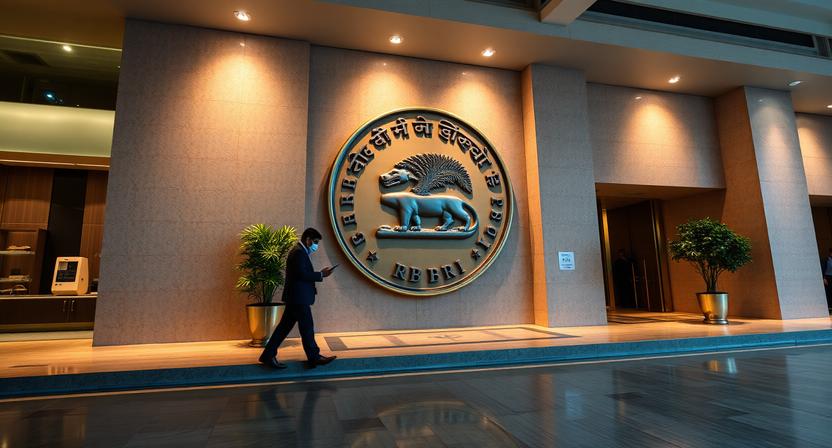
The Reserve Bank of India (RBI) has been at the forefront of driving transformative changes within India’s banking sector. Its regulatory direction influences how banks operate, lend, manage risk, serve customers, and respond to economic challenges.
Every new notification, rule, or policy shift from the RBI can ripple across financial markets, consumer confidence, credit availability, and the broader economy. In today’s fast-evolving financial landscape, staying informed about the latest RBI updates isn’t just useful — it’s essential for businesses, bankers, investors, borrowers, and everyday customers alike.
Read Also: Yes Bank Latest News Today: Key Developments, Loans, and Regulatory Updates
Why RBI Decisions Matter More Than Ever
The RBI functions as India’s central bank and primary financial regulator. Its mandate includes ensuring monetary and financial stability, promoting financial inclusion, supervising banks, and safeguarding the banking system’s integrity. When the RBI announces new rules, those changes influence:
- Interest rates and lending norms
- Liquidity in the financial system
- Bank profitability and risk profiles
- Customer experience and financial inclusion
- Digital banking and cybersecurity practices
Understanding these updates is crucial for anyone dealing with credit cards, loans, savings, digital banking, and investment decisions — because RBI policies impact not only banks but also how consumers interact with their money.
Major RBI Actions and What They Mean Today
Massive Liquidity Injection to Stabilize Banking System
One of the biggest recent moves from the RBI is the decision to inject over ₹2 lakh crore (around $23 billion) into India’s banking system. This action includes a mix of bond purchases, foreign exchange swaps, and repo operations designed to ease funding conditions and align liquidity with internal targets. Analysts see this as a response to market volatility, currency pressure, and the need to support credit flows in the economy.
This liquidity push is significant because it:
- Improves bank funding positions
- Lowers short-term borrowing costs
- Supports stable lending to businesses and consumers
Banks often pass on improved liquidity conditions to their customers through more favorable loan pricing or increased credit availability.
Regulatory Shifts Affecting Bank Operations & Subsidiaries
RBI rules can affect not just banks themselves but how they structure their financial products and subsidiaries. For example, Axis Bank recently put on hold a planned stake sale in its consumer lending arm after regulatory changes were proposed regarding how banks can hold overlapping business functions in subsidiaries. When RBI tightened and then revised these draft rules, banks had to reconsider strategic decisions.
This kind of regulatory adjustment reflects RBI’s balancing act — promoting financial stability while accommodating competitive realities within the banking sector.
Key Policy Areas Being Transformed by RBI
Digital Banking and Customer Protection
The RBI has issued stricter digital banking guidelines to strengthen cybersecurity, enhance customer consent protocols, and require prior approval for banks to roll out transactional digital services. These rules became effective from January 1, 2026.
Under these guidelines:
- Banks must secure explicit customer consent before enabling digital banking features.
- Only “view-only” services (like checking balances) can be offered without regulatory approval.
- Banks must document full technology plans when launching new digital services.
These requirements are aimed at building trust and reducing digital fraud while ensuring that innovation doesn’t outpace safety.
ATM Transaction Fee Structure
The RBI has standardized ATM transaction charges and free limits, effective from May 1, 2025. Customers are entitled to a set number of free transactions each month — and beyond that, banks can charge capped fees for withdrawals and non-financial transactions.
This means:
- Bank customers need to monitor their ATM use to avoid extra charges.
- The changes push more users toward digital payment channels, reducing dependency on physical cash movements.
Lending Norm Changes — Interest Rates and Gold Loans
Another important set of changes revolves around bank lending norms:
- Banks can reduce spreads on floating rate loans sooner than under previous rules, potentially translating to lower EMIs for borrowers.
- Lending against gold and silver collateral has broader eligibility, benefiting small businesses and manufacturers using precious metals as working capital.
These shifts aim to make loans more accessible and affordable while responding to market demand dynamics.
Governance and Lending Transparency
The RBI is proposing a unified framework for related-party lending, simplifying and modernizing norms for how banks lend to entities connected to promoters, key managers, or shareholders.
Key elements include:
- Thresholds for board-level approvals
- Enhanced reporting and transparency requirements
- A principle-based regulatory approach
This framework is intended to discourage conflicts of interest and strengthen governance within regulated entities.
Cybersecurity and Risk Oversight in Banking
RBI’s supervisory guidance emphasizes early risk identification and cyber resilience across the financial sector. This includes implementing uniform cybersecurity baselines and heightened supervisory rigour.
With cyber threats on the rise — especially in digital banking channels — these rules help ensure banks are better prepared to protect customer data and infrastructure.
International Banking and Investment Norms
Beyond domestic banking operations, the RBI has also mulled changes to how banks invest in alternative funds and international financial instruments. Draft proposals suggest:
- Capping bank exposure in Alternative Investment Funds (AIFs)
- Balanced flexibility with oversight to mitigate risk in complex instruments
These changes reflect RBI’s intent to align Indian banks with evolving global markets while safeguarding systemic risk.
Impact on Stakeholders — What You Should Know
For Bank Customers
If you’re a consumer or business banking customer, RBI’s policy shifts may influence:
- Loan costs and terms
- Fee structures on ATM and digital services
- Speed of credit score updates
- Security and transparency of online banking
Staying aware of these changes can help individuals make informed decisions about savings, loans, credit cards, and digital wallets.
For Banks and Financial Institutions
For banking professionals and financial institutions:
- Regulatory adjustments affect capital planning, risk management, and product strategy.
- Guidelines on subsidiary functions and related-party lending affect long-term organizational design.
- Liquidity measures influence balance sheet operations and growth plans.
Banks that adapt quickly to updated RBI expectations can improve compliance and competitive positioning.
For Investors and Markets
RBI decisions also play a major role in shaping market trends:
- Liquidity injections and monetary policy changes can drive bond yields and stock indices.
- Bank profitability metrics change when interest rates and lending norms shift.
- Investor sentiment tends to be more bullish when RBI communicates clear, forward-looking frameworks.
Indeed, market indices such as the Bank Nifty have reacted positively to several recent RBI measures.
Looking Ahead — The Future of RBI Regulation
The RBI is continuing to evolve its regulatory footprint. Future focus areas may include:
- Enhanced data privacy and cybersecurity standards
- More refined credit reporting and transparency norms
- Greater emphasis on financial inclusion and digital access
- Coordination with global banking standards
With India’s banking sector becoming more interconnected and digital-first, RBI’s evolving framework will remain a central force shaping its continued transformation.
Conclusion
The Reserve Bank of India’s updates — from liquidity operations to digital banking rules and lending reforms — reflect a nuanced approach to regulating India’s financial system. These changes aim to balance financial stability, consumer protection, and innovation.Whether you’re a bank customer, a finance professional, an investor, or simply interested in India’s economic trajectory, understanding RBI’s evolving rules helps you stay informed and make smarter financial decisions.